
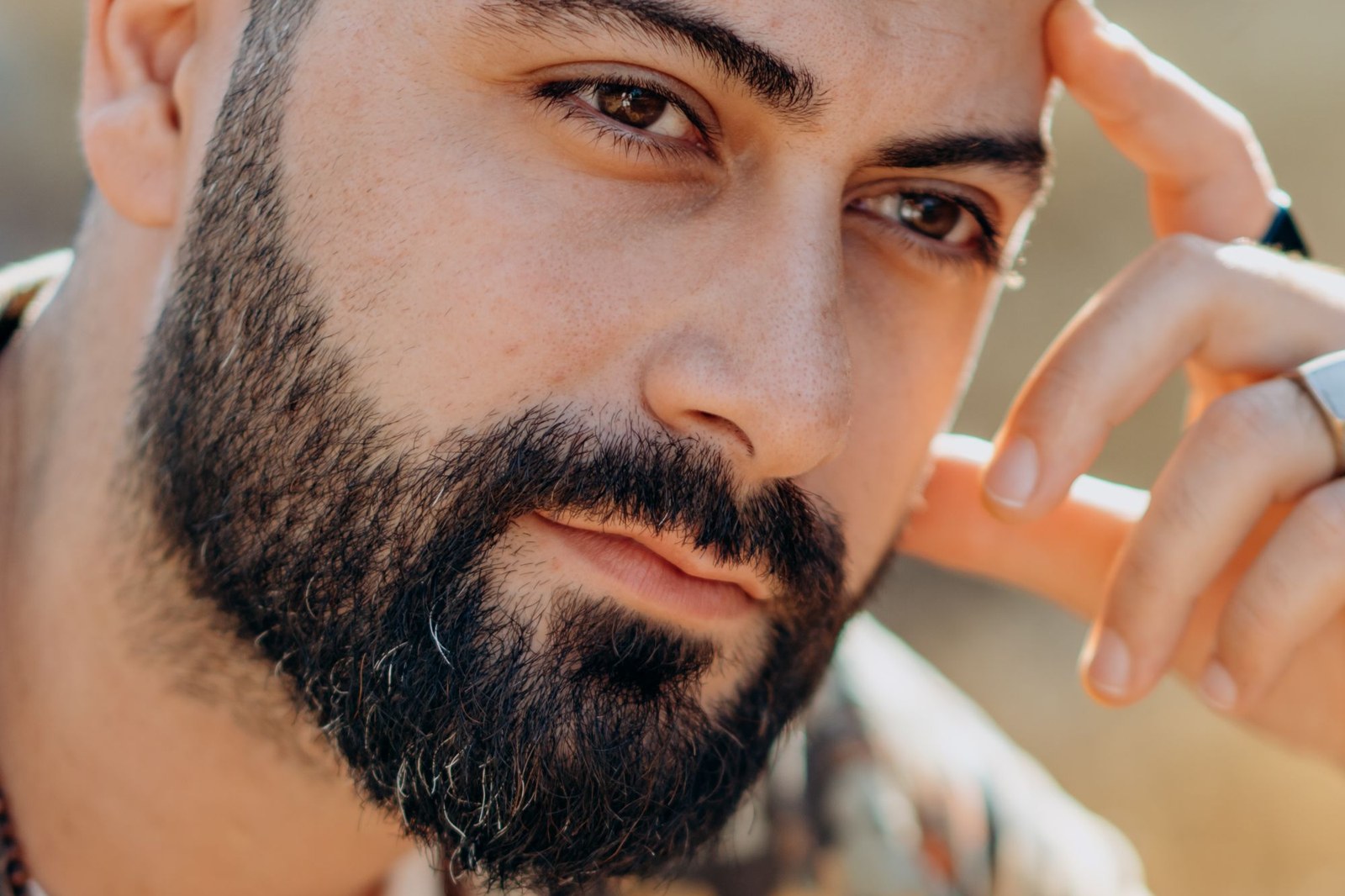
No Shave November 2026 is less about abandoning the razor and more about surviving the grow-out with dignity. The first two weeks bring itch, the stubble phase invites ingrowns, flakes show up under heating-season air, and the 2026 look rewards softer, natural beard shaping rather than a carved outline. Here is how to grow out a beard this November with under-beard skin care that actually holds up.
1. Cleveland Clinic on No Shave November: Wash the Skin, Not Just the Hair
Cleveland Clinic dermatologist Jennifer Lucas, MD, framed No Shave November 2026 around a point most men miss: the problem is often the skin under the beard, not the hair itself. In a November 2 newsroom briefing, she noted that as facial hair grows in, strands are not always straight. Curly or angled hairs can turn back into the follicle, which is why the stubble phase so often brings irritation, discomfort and ingrown hairs instead of a smooth first month.
Dr. Lucas’s hygiene list is short and non-negotiable. Wash the skin beneath the beard every day with a face wash matched to your skin type. Men with oilier skin should look for a non-comedogenic, non-acne-forming cleanser so pores are not blocked while the hair is still short enough to trap sebum. Follow with moisturizer. Clean clippers and razors at least every five to seven days, because bacteria live on the tools you keep putting back against the jaw and neck. And resist the urge to touch or stroke the beard as it fills in—hands move bacteria onto the exact skin you are trying to calm.
She also puts patchiness in perspective. Sparse growth is usually genetic; medical conditions can play a role in some cases, which is a question for a clinician rather than another bottle of oil. For No Shave November, that distinction matters: you can improve comfort and presentation with better under-beard care, but you cannot force density that genetics did not grant.
Why it matters: Growing a beard without washing the skin underneath is how itch, bumps and tool-borne bacteria get a free month. Daily cleansing and moisturizer are the base layer; products come after.
Original article: Cleveland Clinic Newsroom — Taking Care of Your Beard During ‘No Shave November’
2. Why Beard Itch Peaks in Week Two (and Why November Makes It Worse)
The classic No Shave November complaint is not day one. It is week two. Grooming brand Tiege Hanley summarized the pattern in mid-October 2026: new-beard itch usually peaks between day eight and day twenty, and it is almost always a skin problem wearing a beard costume—dryness, trapped dead skin, or early irritation at the follicle—rather than the whiskers themselves.
Two changes land at once. The hair gets long enough to bend and press against the face, and long enough to hide that face from a lazy rinse. Meanwhile, the daily scrape of a razor—which was quietly exfoliating dead cells—has stopped. Cleveland Clinic’s Dr. Lucas is cited in the same piece for the curling-hair and stubble-phase irritation link. Add indoor heating across much of the United States in early November, and you are asking skin to adapt to new hair and drier air in the same three weeks. Heated rooms pull moisture out of the face all day; the beard does not shield you from that the way a scarf shields the neck.
Flakes need a careful read. Fine white flakes with a tight feeling across the face often point to plain dryness. Greasier, yellowish flakes in patches—sometimes with redness, and often mirrored in the eyebrows, nose creases or scalp—are closer to what many men call beardruff. Tiege Hanley points to Yale Medicine’s framing of seborrheic dermatitis and the yeast Malassezia; that is a medical pattern, not a cue to scrub harder or drown the area in heavy oil. Painful or pus-filled bumps around follicles, redness spreading past the beard line, or flaking that returns within days despite care are reasons to see a dermatologist rather than stock another conditioner.
The practical sequence the piece outlines matches what dermatologists repeat elsewhere: clean the skin under the beard daily (fingertips to the skin, not a surface rinse of the hair), exfoliate gently about twice a week while growth is still short enough to reach the base, and put moisture back—especially at night after a day of office heat. Scratching feels productive; it usually spreads bacteria and worsens the itch loop Dr. Lucas warned about.
Why it matters: If your No Shave November beard itches on day twelve, treat the skin calendar first. Week-two discomfort is expected; week-four unchanged pain or yellow flakes is a different conversation.
Original article: Tiege Hanley — Why Does Your Beard Itch in Week Two?
3. Under-Beard Skin Care: The AAD’s Three-Step Plan for a Healthy Beard
The American Academy of Dermatology puts the same priority in clinical language: healthy-looking facial hair starts with healthy skin underneath. Board-certified dermatologist Anthony Rossi, MD, FAAD, outlines a simple three-step plan that maps cleanly onto a No Shave November grow-out without turning the bathroom into a ten-product lab.
Step one is daily washing. Dirt, oil, germs, pollution and dead skin collect in the beard and on the face; left alone they clog pores and irritate. Use a gentle cleanser for your skin type—gel with salicylic or glycolic acid and a non-comedogenic label for oily or acne-prone skin; hydrating fragrance-free for dry skin; soap-free fragrance-free cream for skin that burns easily. Massage in circles through hair to skin, rinse with lukewarm water, and pat with a clean towel so the face stays slightly damp for the next step.
Step two is moisturizer, even if you are oily. Without it, under-beard skin turns dry, flaky and itchy, and the beard itself feels prickly. In the stubble phase, Dr. Rossi recommends a gentle exfoliating scrub one to two times per week if you are prone to ingrown hairs (folliculitis), then moisturizer right after; until stubble becomes a true beard, he also flags moisturizer with SPF 30 or higher on still-exposed skin. Once the beard has filled in, the AAD’s match is practical: beard conditioner for acne-prone skin, beard oil for normal-to-dry skin, and a fragrance-free non-comedogenic moisturizer for sensitive skin. Apply to skin and hair, massage through, and stay sparing—you can always add a drop.
Step three is grooming with a beard comb: detangle, distribute product, and prepare hairs before scissors work. Trimming and neck cleanup still matter for comfort. Dermatologists advise changing blades often, shaving or lining with the grain when you do clean a neckline, rinsing the razor after each pass, and keeping guards clean and dry so bacteria do not ride back into the area. Dr. Rossi’s closing rule echoes Cleveland Clinic: stop stroking the beard. Hands deliver the germs that start under-beard problems.
This is general information from published dermatology sources, not personal medical advice. Persistent bumps, spreading redness or stubborn flaking deserve a board-certified dermatologist’s assessment.
Why it matters: Under-beard skin care is the difference between a November beard that looks intentional and one that looks like you forgot your face exists under the whiskers.
Original article: American Academy of Dermatology — A Dermatologist’s Top Tips for a Healthy Beard
4. Softer Natural Beard Shaping 2026: Fuller Cheeks, Less Over-Engineering
While you are growing through No Shave November, the aesthetic target has shifted. Dr. Beard Barbershop’s November 1, 2026 grooming-trends briefing describes beards that are cleaner and healthier, but less artificial. The over-chiseled outline with dark, hard-painted edges is losing ground to a more believable finish: structure that reads as excellent grooming, not as correction drawn on with a trimmer.
In practice that means technical shaping rather than aggressive carving. Barbers are placing bulk where it supports the face, removing weight where it muddies the silhouette, and keeping the cheek line a little softer. The sideburn-to-beard transition is more intentional. Neck cleanup remains essential, but pushing the neckline so high that the beard looks undersized and disconnected from the jaw is out of fashion. Dry, wiry texture undermines sharp linework anyway—so conditioning, a sane trim cadence and under-beard skin care are part of the 2026 look, not optional extras.
The same piece ties skin into the grooming standard. A precise haircut and beard lose impact when the skin underneath looks irritated, flaky or tired. Men are paying more attention to exfoliation, cleansing, under-beard care and simple treatments that calm razor irritation, ingrowns, dryness or oil buildup—without demanding a ten-step ritual. For a November grow-out, that trend is useful permission: you do not need a razor-sharp cheek line in week one. Let density arrive, keep the neck tidy, clean only obvious strays above a conservative cheek line, and save hard geometry for a barber once the hair can support it.
If growth is patchy on the upper cheeks, forcing a high, heavy line usually advertises the gap. A softer, slightly lower cheek line with a clean taper often looks fuller and more current—exactly the “fuller shape, less over-engineering” direction for 2026.
Why it matters: No Shave November 2026 is the wrong month to chase a carved Instagram beard. Grow with soft structure; refine with a pro once the hair and skin are ready.
Original article: Dr. Beard Barbershop — Mens Grooming Trends 2026 That Actually Matter
5. Beard Oil, Balm or Conditioner: What Softens a Grow-Out Without Overloading It
Once the skin is clean and moisturized, the product question for a growing beard is which leave-on or rinse-out formula belongs on the shelf—and which ones you can skip. GQ India’s November 1, 2026 guide is blunt: you probably do not need oil, balm and conditioner at once.
Beard oil is framed as a moisturizing treatment for facial hair and the skin beneath it, typically built on carriers such as jojoba, argan or grapeseed. It softens coarse strands, eases dryness and flaking during a grow-out, and makes combing easier. Apply a few drops on slightly damp hair and massage through to the skin; start light. Men with acne-prone skin should choose carefully, because heavier oils can congest. Oil improves softness and manageability; it does not accelerate growth.
Beard balm sits closer to styling with conditioning benefits—oils plus butters such as shea and waxes such as beeswax. It tames flyaways, softens unruly length and adds light hold without a stiff finish, which suits medium-to-long or dense beards more than short early-November stubble. If your growth is still short or your skin runs oily, balm can feel heavy.
Beard conditioner is the underrated third option. GQ India flags non-comedogenic conditioners for acne-prone skin: they soften without the heavier oils that may clog pores. Formulas may be rinse-off in the shower or leave-in serums—check the label. They also help dry, brittle or tangled hair that needs manageability without an oil sheen.
GQ’s U.S. beard-conditioner roundup for 2026 (updated March 2, 2026) reinforces the same economy: a conditioning agent matters for dryness, itch, dandruff and un-stylable scruff, but stacking dedicated wash, conditioner, balm and oil is usually marketing theater. The editors’ overall pick is Anthony’s Conditioning Beard Wash as a rinse-out that cleanses facial hair and skin while coconut, olive and sunflower oils condition the whiskers and rosemary, black currant and citrus notes work the skin beneath. Leave-in options such as Scotch Porter’s restorative cream are praised for men who prefer out-of-shower care; balms earn their keep when shape control joins softness. The through-line matches the India piece: pick the texture that matches your length and skin, not the full wardrobe.
Why it matters: Softening a No Shave November beard is a matching problem—oil for dry skin and coarse hair, conditioner when pores protest, balm when length needs light control—not a mandate to own all three.
Original article: GQ India — Beard Oil, Balm or Conditioner: What Does Your Beard Really Need?
Original article: GQ — 8 Best Beard Conditioners for Soft, No-Itch Facial Hair in 2026
Product Picks
These are real U.S.-sold products with live product pages. Prices checked at writing; verify before you buy. None of this is medical advice—match formulas to your skin and ask a dermatologist if irritation persists.
Baxter of California Exfoliating Beard Oil — $28. A rich moisturizing oil that uses salicylic acid to move through the hair to the skin, helping clear dead cells and debris while olive, sunflower, plankton extract and shea esters soften facial hair. Built for dry or flaky under-beard skin and for unruly, curly textures that trap irritation—useful in the stubble-to-first-beard window of No Shave November when ingrowns and flakes show up together.
Anthony Conditioning Beard Wash — $26. GQ’s 2026 overall beard-conditioner pick: a cream cleanser that washes dirt and dandruff-prone debris from hair and face while coconut oil softens and rosemary plus black currant extracts target itch. Six fluid ounces, dermatologist-tested, made in the USA. Use on a wet beard, face and neck, then follow with a leave-on oil or moisturizer on damp skin.
Captain Fawcett Private Stock Beard Oil, 50 ml — $71. A small-batch blend of sweet almond, jojoba and vitamin E with cedarwood, black pepper, patchouli and palmarosa. Daily use is positioned to soothe and moisturize both skin and facial hair, soften coarse whiskers and add a discreet clubland sheen—premium oil territory for normal-to-dry skin once the wash step is done.
Le Labo Beard Oil, 60 ml — $82 (Liberty London US). Plant-based grooming oil with sunflower, grapeseed and jojoba to tame rough beards and mustaches until they feel smooth and soft, finished with the house grooming scent of bergamot and lavender cooled by violet and tonka. A luxury leave-in when your grow-out has enough length to show dryness and flyaways.
FAQ
Why does my beard itch so much during No Shave November?
Published grooming and clinic sources point to the skin underneath, especially between roughly day eight and day twenty: dead skin that is no longer scraped away by daily shaving, hair long enough to press and curl against the face, and dry indoor heat in early November. Daily cleansing to the skin, gentle twice-weekly exfoliation while growth is short, and moisturizer or a suitable beard oil or conditioner are the habits those sources emphasize. Painful bumps, spreading redness or greasy yellow flakes that keep returning are dermatologist territory.
How do I prevent ingrown hairs while growing out a beard?
Cleveland Clinic’s Dr. Jennifer Lucas notes that hairs may curl as they grow in and that the stubble phase often brings irritation. The American Academy of Dermatology’s Dr. Anthony Rossi recommends a gentle exfoliating scrub one to two times per week if you are prone to ingrown hairs, followed immediately by moisturizer, plus clean tools and shaving or lining with the grain when you tidy the neck. This summarizes published dermatology guidance; it is not a personal treatment plan.
Should I still wash my face under a beard every day?
Yes, according to both Cleveland Clinic and the American Academy of Dermatology. Work cleanser down to the skin with your fingertips rather than rinsing only the outside of the hair. Match the cleanser to oily, dry, normal or sensitive skin, rinse well, and moisturize while the face is still slightly damp.
Oil, balm or conditioner—what does a growing beard need in 2026?
GQ India’s comparison: oil for dry skin and coarse hair; balm for fuller, medium-to-long or unruly beards that need light hold; conditioner (ideally non-comedogenic) when skin is acne-prone or you want softness without heavy oils. GQ’s U.S. editors agree you do not need the full stack. Soft, natural cheek lines and healthier under-beard skin are the 2026 trend—not a denser product shelf.
Closing
No Shave November 2026 rewards patience more than product hoarding. Wash the skin under the beard daily, moisturize, keep tools clean, go easy on the cheek line until density arrives, and choose one conditioning formula that matches your skin. Softer natural shaping looks more expensive than a carved outline that exposes every gap—and a calm under-beard is what makes the whole month look intentional.
This article summarizes publicly available grooming and dermatology guidance for general information only. It is not medical advice. See a board-certified dermatologist for persistent itch, ingrown hairs, folliculitis or flaking.