
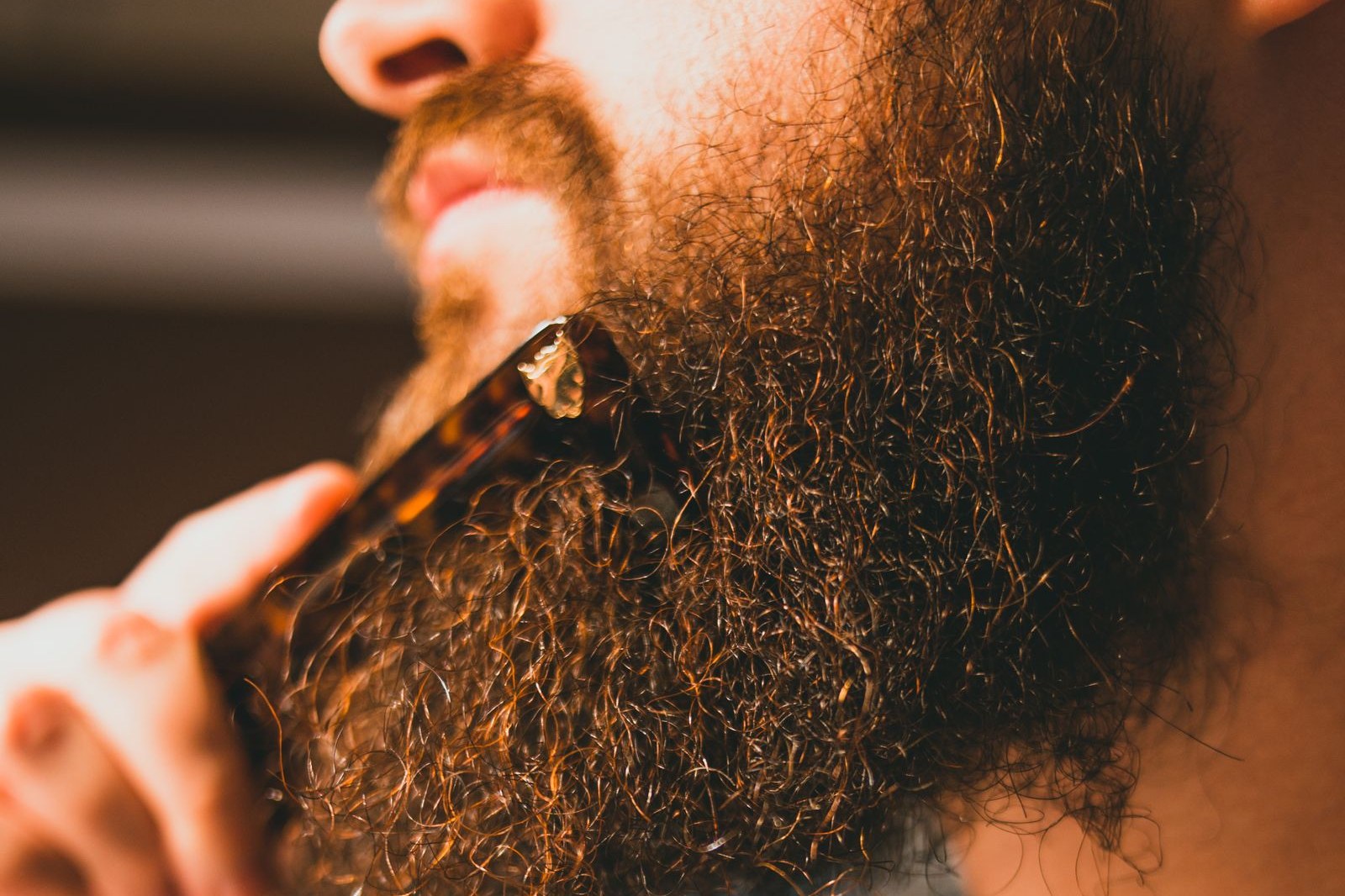
No-Shave November is halfway done, and this is the week many men look in the mirror and see the same thing: a strong mustache, a decent chin, and cheeks that simply refuse to join the party. A patchy beard is one of the most common grooming frustrations, and also one of the most fixable, as long as you know which tools actually work. Here is the patchy beard fix for 2026: what barbers, dermatologists and the beard community say about patience, styling, minoxidil and microneedling, plus the premium tools worth owning.
Key takeaways
- Most patchiness is genetic and normal. Give any new approach at least 4 to 8 weeks before you judge it.
- The fastest fix is styling: choose a beard style built on your strongest growth areas and keep the edges sharp.
- Topical minoxidil has the best evidence for facial hair, but it is off-label, slow and only works while you use it.
- Microneedling looks promising for the scalp; evidence for beards is still limited.
- Sudden, smooth, round bald spots are a different story and belong with a dermatologist.
This article summarizes published sources for general information. It is not medical advice. Talk to a doctor or dermatologist before starting any medication, including minoxidil.
Why Your Beard Grows in Patches (and Why Patience Comes First)
The 4-to-12-week rule
Hair grows in cycles, and a single strand can take 4 to 12 weeks to even become visible above the skin. That is why barbers and dermatologists both recommend waiting before you judge a beard. The team at Manhattan Barbershop suggests giving any new approach at least 4 to 8 weeks, and taking a weekly photo in the same spot with the same light. It is the simplest way to see gradual fill-in that you would miss day to day.
For styling changes, you can judge results within a week or two. For topical treatments, expect the earliest measurable gains around week 8 and clearer results around week 12.
Original article: Manhattan Barbershop – Fix a Patchy Beard in 8–12 Weeks
The daily routine that makes a beard look fuller
The same plan lists the basics that make thin areas less visible: wash the beard two to three times a week with a mild beard wash, exfoliate lightly once a week, and brush daily with a boar-bristle brush from the skin outward so the hairs lie in one direction and cover thin spots. Use a light beard oil for the skin and a matte balm if you need hold. Heavy waxes flatten the hair and expose gaps instead of hiding them.
Original article: Manhattan Barbershop – Fix a Patchy Beard in 8–12 Weeks
The Best Beard Styles for a Patchy Beard in 2026
The anchored stache: GQ’s pick for patchy growth
In GQ’s roundup of the best beard styles of 2026, barbers name the anchored stache as the standout option for uneven growth: a trimmed mustache that floats above a beard covering the chin and jawline, with the cheeks and sideburns kept clean. Barber Rietveld’s method is simple: let the facial hair grow for a couple of weeks, trim the outline, shave the sideburns, shape the mustache, and define the lower edges so they are sharp and symmetrical. GQ’s most important rule for patchy facial hair applies to every style: keep the edges tidy.
Original article: GQ – The Best Beard Styles of 2026, According to Barbers
Beardstache and designer stubble: contrast that flatters
GQ’s wider guide to beard styles points to two looks that work “even for the patchiest among us.” The beardstache pairs a full mustache with a very short, stubbled beard, a play on contrast that suits almost every face. Designer stubble, a few days of growth, is a style in its own right for sparse beards, as long as the perimeters are clean. GQ’s 2026 list also brings back the Van Dyke, a detached goatee and mustache: if your cheeks are thin but your chin is strong, it is a refined option that puts the focus where the hair is densest.
Original article: GQ – The 14 Best Beard Styles That You Haven’t Already Seen Everywhere
Reduce the contrast with a clipper
For short beards, GQ’s barber Connor offers two ways to handle patchy areas. Either let the beard grow longer, so the surrounding hair blends over thinner spots, or reduce the contrast by trimming the fuller areas slightly shorter so the whole beard looks even. Heavy stubble at around 4 to 5 mm gives a fuller yet rugged look and is easy to keep with a quality clipper and guard.
Original article: GQ – Short Beard Styles: How to Maintain a Tidy Beard
Minoxidil for Beard Growth: What the Evidence Says
Off-label, slow, and only while you use it
Minoxidil is approved for scalp hair loss, not for the beard, so using it on the face is off-label. The American Academy of Dermatology explains that minoxidil can stimulate growth and slow further loss on the scalp, that results take time (usually about 6 to 12 months), and that the benefits fade if you stop. For facial hair, Manhattan Barbershop cites a randomized, placebo-controlled trial in which 3% topical minoxidil raised beard density by about 11 hairs per square centimeter after 12 weeks, compared with almost none for placebo, with gains visible from week 8.
Original article: American Academy of Dermatology – Hair loss: Diagnosis and treatment
The twin case and the “shedding phase”
A case report published on the NIH’s PubMed Central followed identical twin brothers: one applied 5% minoxidil foam to his beard and mustache once a day, the other did not. The treated twin noticed fine, light hairs after one month, a modest increase in density at two months, a temporary shed around month three, and clearly greater density after 16 months. The authors list contact dermatitis, itching and headache among the most frequent side effects, and note that palpitations have been reported, so people with heart conditions need closer medical monitoring.
Original article: PubMed Central – Facial hair enhancement with minoxidil, an off-label use
What Reddit’s r/beards community reports
On r/beards, minoxidil progress threads are some of the most discussed posts. In one recent update, a user nearly three months into 5% minoxidil twice a day reported noticeably fuller cheeks, but still some gaps and thinner hairs that did not blend in yet, and a plan to continue for at least a year. That matches the common theme in the community: real results take months, and three months is too early to judge. Remember that forum reports are personal experiences, not clinical proof.
Original article: Reddit r/beards – Almost 3 months of Minoxidil
Microneedling and Dermarollers: Promising, but Mostly for the Scalp
The AAD describes a study in men aged 20 to 35 with mild to moderate hereditary hair loss: those who used 5% minoxidil plus weekly microneedling had significantly more hair growth after 12 weeks than those who used minoxidil alone. The AAD also advises checking with a dermatologist first, because microneedling can worsen some skin conditions and the right device matters.
For beards specifically, the picture is thinner. A review by device maker Dr. Pen notes that a 2025 meta-analysis of 12 randomized studies found better hair counts with microneedling plus minoxidil than with minoxidil alone, but those studies were on the scalp, and a 2026 review found only limited evidence for dermarollers as a standalone treatment. Their advice: clean skin, a disinfected roller, gentle pressure, never on pimples or irritated skin, and never shared.
Original article: Dr. Pen – Dermaroller for beards: does it work for beard growth?
When a Patchy Beard Is Not Just Genetics
Ordinary patchiness rarely needs a doctor. But Manhattan Barbershop’s dermatologist section lists the signs that do: sudden, perfectly round bald spots, patches that spread over a few weeks, or hair loss together with pitted or ridged nails. These point toward alopecia areata (in the beard, often called alopecia barbae) or another autoimmune process. A dermatologist can confirm the diagnosis and discuss treatment. Bring photos that show how the patch has changed over time, because that timeline helps tell genetic patchiness from an active condition.
Original article: Manhattan Barbershop – Fix a Patchy Beard in 8–12 Weeks
Product Picks: Premium Tools for a Fuller-Looking Beard
These picks do not grow new hair. They help you style what you have so the beard looks denser, softer and more deliberate.
- Philips Norelco Beard Trimmer 9000 Prestige (BT9810/40): a premium trimmer with precise length settings, ideal for the “reduce the contrast” approach and for keeping heavy stubble at an even length.
- Beardbrand Old Money Utility Beard Softener – $36: a conditioner for beard and hair that softens coarse hairs so they lie flatter and cover thin spots better.
- Tom Ford Conditioning Beard Oil at Sephora: a light, refined beard oil for the skin underneath and a soft, healthy shine, without the heavy wax that exposes gaps.
FAQ: Patchy Beard Questions
How long should I wait before deciding my beard is patchy?
Give it at least 4 to 8 weeks of growth before you judge. Hair grows in cycles, and a strand can take 4 to 12 weeks to become visible. A weekly photo in the same light shows progress best.
What is the best beard style for a patchy beard?
Styles that build on your densest areas work best: the anchored stache, the beardstache, the Van Dyke, or well-kept designer stubble. Whatever you choose, sharp, clean edges make the biggest difference.
Does minoxidil work for beard growth?
Some small studies show increased facial hair density with topical minoxidil after about 8 to 16 weeks, but its use on the beard is off-label, results vary, and gains usually fade when you stop. Ask a doctor before starting.
Does a dermaroller help a patchy beard?
Microneedling combined with minoxidil has shown better results than minoxidil alone on the scalp. For beards, the evidence is still limited, so talk to a dermatologist first and never use a roller on irritated or broken skin.