
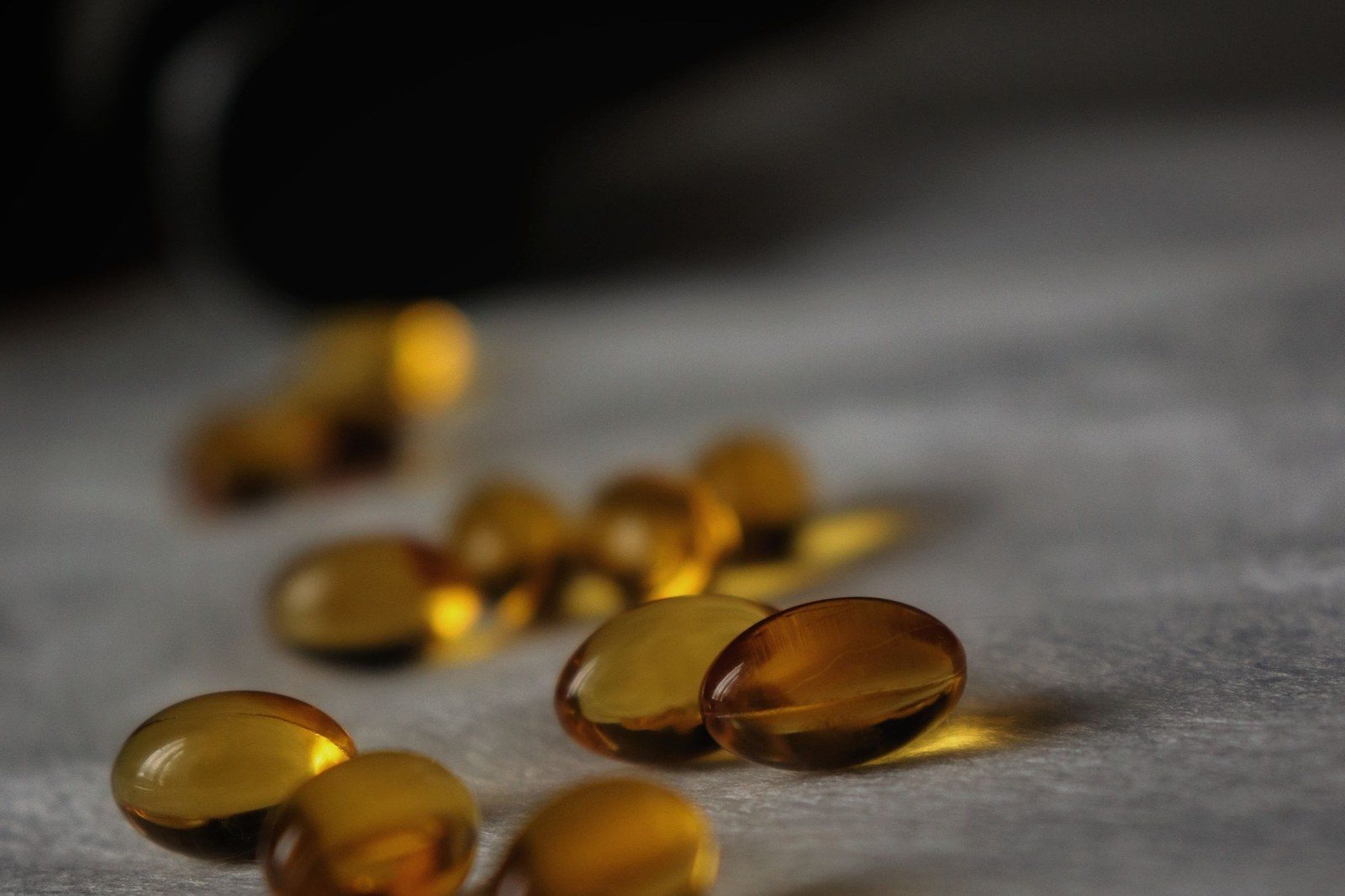
The days are short, the light is low and most of your waking hours are spent under office lights, in a car or behind glass. For a lot of men, that is the season when vitamin D quietly slips. Known as the “sunshine vitamin”, vitamin D supports bones, muscles, nerves and the immune system, and in winter the main supply route – your own skin – can almost shut down.
This guide explains what vitamin D deficiency in winter looks like in men, why the sun stops helping between November and February, what the 25(OH)D blood test does and does not tell you, how much vitamin D reputable bodies such as the NIH and the Endocrine Society actually recommend, and what current research honestly says about vitamin D and testosterone, mood, muscle and your beard. We close with three premium supplements worth a place in a well-run cabinet.
Key takeaways
- Winter switches off skin production: At higher latitudes, the low winter sun lets through too little UVB. Harvard Health notes that people in Boston make little if any vitamin D from November through February.
- The official target is modest: The NIH lists 15 µg (600 IU) per day for men aged 19–70 and 20 µg (800 IU) from age 71. The adult upper limit is 100 µg (4,000 IU) per day from all sources.
- More is not better for healthy men: The Endocrine Society’s 2024 guideline advises against doses above those amounts in healthy adults under 75 and against routine 25(OH)D testing.
- Symptoms are vague: Fatigue, bone pain, muscle weakness, cramps and mood changes are possible signs, but many people have none.
- Testosterone: Randomized trials and a 2026 meta-analysis show no clear effect of vitamin D supplements on testosterone in adult men.
- Take it with food: Vitamin D is fat-soluble, so it is absorbed best with a meal that contains some fat.
1. Why winter switches off the sunshine vitamin
Your skin makes vitamin D when ultraviolet B (UVB) light hits it. The catch is the angle of the sun. In winter, the sun sits so low in the sky that its rays have a much longer path through the atmosphere, and most of the UVB never reaches the ground. Harvard Health gives a striking example: residents of Boston make little if any vitamin D from November through February. Short days and coats, scarves and gloves that cover nearly all skin make things worse.
Harvard lists other factors that matter, and several of them apply directly to modern men:
- Latitude: The farther you live from the equator, the less vitamin D-producing UVB reaches you in winter. Much of the northern half of the United States is in that zone.
- Air quality: Particles from burning fuel and wood scatter and absorb UVB.
- Skin color: Melanin competes for UVB, so darker skin needs more sun exposure to produce the same amount of vitamin D.
- Body weight: Body fat takes up vitamin D, and obesity is linked to lower blood levels.
- Age: Older skin is a less efficient vitamin D factory.
One more detail from the NIH that many men miss: your skin does not make vitamin D from sunlight through a window. A sunny corner office or a long drive with the sun on your face does not count. A brisk walk outside at midday is a far better habit, but in deep winter at northern latitudes, even that may not provide much vitamin D.
Original article: Harvard Health – 6 things you should know about vitamin D
2. Vitamin D deficiency symptoms in men: subtle, slow and easy to miss
Low vitamin D rarely announces itself. According to Cleveland Clinic, the signs in adults are less obvious than in children and can include:
- Fatigue
- Bone pain
- Muscle weakness, muscle aches or muscle cramps
- Mood changes, such as depression
Cleveland Clinic is also clear that you may have no signs or symptoms at all. Behind the scenes, a long and severe shortage reduces how well your gut absorbs calcium and phosphorus. Your parathyroid glands then work harder to keep blood calcium normal, and they do it partly by taking calcium from your bones. Over time, this can lead to osteomalacia (soft bones) in adults and a higher risk of fractures when combined with osteoporosis.
Cleveland Clinic says the condition most commonly affects people over 65 and people with darker skin, and that it is preventable and treatable. The practical point for men: tiredness and aching muscles in January have many possible causes, from poor sleep to overtraining. Vitamin D is only one of them, which is exactly why guessing is not a strategy.
Original article: Cleveland Clinic – Vitamin D Deficiency: Causes, Symptoms & Treatment
3. How much vitamin D should a man take? The NIH numbers in IU and µg
Supplement labels in the US use two units, which causes endless confusion. The conversion is simple: 1 µg (microgram) of vitamin D = 40 IU, so 1,000 IU = 25 µg. The NIH Office of Dietary Supplements (ODS) sets these daily recommended amounts:
| Age | Recommended amount per day |
|---|---|
| Men 19–70 years | 15 µg (600 IU) |
| Men 71 years and older | 20 µg (800 IU) |
The upper limit for adults is 100 µg (4,000 IU) per day, and it covers food, drinks and supplements together. The NIH adds that a doctor may prescribe higher doses for a limited period to treat a diagnosed deficiency, which is a medical decision rather than a lifestyle choice.
D3 or D2?
Supplements contain either D2 (ergocalciferol) or D3 (cholecalciferol). The NIH says both raise blood levels, but D3 might raise them higher and for longer. That is why most premium formulas use D3.
Where vitamin D comes from on your plate
Very few foods are naturally rich in vitamin D. The NIH highlights:
- Fatty fish such as trout, salmon, tuna and mackerel, and fish liver oils – among the best natural sources
- Egg yolks, beef liver and cheese – small amounts
- Mushrooms – a little, more if they have been exposed to UV light
- Fortified foods – most US milk provides about 3 µg (120 IU) per glass of roughly 240 ml, and many cereals, plant milks and some juices and yogurts are fortified
A winter brunch of smoked salmon and eggs is, in other words, both a pleasure and a sensible move. Because vitamin D is fat-soluble, the NIH notes it is best absorbed with a meal or snack that contains some fat – one more reason to take a supplement with breakfast or dinner rather than on an empty stomach.
Original article: NIH Office of Dietary Supplements – Vitamin D Fact Sheet for Consumers
4. The Endocrine Society 2024 guideline: why “megadose” culture is out
For years, social media and some wellness circles pushed high daily doses of vitamin D. In 2024, the Endocrine Society published a clinical practice guideline, “Vitamin D for the Prevention of Disease”, that reset the conversation. Its key messages for healthy men:
- No extra above the recommended amounts for healthy adults under 75. The panel suggests against vitamin D supplements beyond the Institute of Medicine reference intakes in this group.
- Higher intake for specific groups. Children and teens, adults aged 75 and older, pregnant people and adults with high-risk prediabetes may benefit from more than the standard amounts.
- Daily beats occasional big doses. In adults aged 50 and older who need vitamin D, the panel prefers daily, lower doses over non-daily, high doses.
- No routine testing. The panel suggests against routine 25(OH)D testing in all the groups it studied, including people with obesity or darker skin, because trials have not shown benefits linked to specific blood levels.
Panel chair Marie Demay of Harvard Medical School and Massachusetts General Hospital said the goal was to address vitamin D needs in a generally healthy population. The guideline does not apply to people with conditions that already justify testing or treatment, such as malabsorption or bone disease. For a well-informed man, the takeaway is refreshingly simple: hit the recommended amount reliably, especially in winter, and leave high-dose protocols to your doctor.
Original article: Endocrine Society – Guideline recommends healthy adults under the age of 75 take the recommended daily allowance of vitamin D
5. The 25(OH)D blood test: when it makes sense and how to read it
The standard vitamin D blood test measures 25-hydroxyvitamin D, written 25(OH)D. Results come in nmol/L or ng/mL (1 nmol/L = 0.4 ng/mL). The NIH summarizes the ranges like this:
- 50 nmol/L (20 ng/mL) or above: adequate for most people for bone and overall health
- Below 30 nmol/L (12 ng/mL): too low; may weaken bones and affect health
- Above 125 nmol/L (50 ng/mL): too high and may cause problems
Very high levels above 375 nmol/L (150 ng/mL) can cause nausea, vomiting, muscle weakness, confusion, dehydration, excessive thirst and kidney stones, and in extreme cases kidney failure and heart rhythm problems. The NIH stresses that this almost always comes from too many supplements, not too much sun – your skin limits how much it makes.
Cleveland Clinic notes that doctors don’t usually order routine vitamin D checks, but may test if you have risk factors or symptoms. That fits the Endocrine Society’s stance: a test is a tool for a reason, not a winter ritual. Good reasons to ask include bone pain, a fracture after a minor fall, conditions that limit fat absorption (Crohn’s disease, celiac disease, ulcerative colitis), gastric bypass surgery, long-term steroid use or a doctor’s concern about osteoporosis.
Original article: NIH Office of Dietary Supplements – Vitamin D Fact Sheet for Consumers
6. Vitamin D and testosterone: what the evidence honestly shows
Few claims travel faster in men’s forums than “vitamin D boosts testosterone”. The idea is not absurd: the testes contain vitamin D receptors, and observational studies have linked higher vitamin D levels to higher testosterone. But association is not cause, and randomized trials tell a calmer story.
- A 2026 systematic review and meta-analysis of randomized controlled trials in adult men found no clear effect of vitamin D supplementation on total testosterone, and no clear effect on SHBG, the free androgen index, calculated free testosterone or bioactive testosterone. The authors rated the certainty of the evidence as low to very low.
- An earlier 2019 meta-analysis of eight trials, with doses from 600 to 4,000 IU (15 to 100 µg) a day up to 60,000 IU a week, also found no significant effect on total testosterone or SHBG.
- A randomized trial in middle-aged healthy men with low testosterone found no treatment effect on total testosterone.
- A 2020 review summed it up with a memorable phrase: “mechanistically dazzling but clinically disappointing.”
The honest reading: correcting a true deficiency is worthwhile for bones and muscles, but vitamin D is not a testosterone booster. If you have symptoms of low testosterone – low libido, low energy, loss of muscle – that is a conversation for a doctor and a proper hormone panel, not a reason to stack more capsules.
Original article: Vitamin D Supplementation, Total Testosterone, and Androgen Bioavailability Markers in Adult Men – Systematic Review and Meta-Analysis (PMC)
7. Winter blues, muscle and bones: separating hope from proof
Mood
The NIH explains that the brain needs vitamin D to function properly and that some studies link low blood levels to a higher risk of depression. However, it also states that clinical trials show vitamin D supplements do not prevent or ease symptoms of depression. Daylight, movement and sleep remain the pillars for a low winter mood, and persistent low mood deserves professional help.
Muscle and bones
The NIH notes that muscles need vitamin D to move and that a shortage may lead to weak, painful muscles. Together with calcium, vitamin D helps protect against osteoporosis. Vitamin D and calcium supplements slightly increase bone strength in older adults, although it is not clear whether they reduce falls or fractures. For active men, the useful message is to avoid a deficiency – not to expect extra performance from higher doses.
Heart, weight and more
According to the NIH, clinical trials find that vitamin D supplements do not reduce the risk of heart disease, do not help weight loss and do not improve blood sugar in most people. Vitamin D matters; it simply isn’t a cure-all.
Original article: NIH Office of Dietary Supplements – Vitamin D Fact Sheet for Consumers
8. Vitamin D, hair and the beard
Can low vitamin D thin your beard? The evidence points to one specific link. Cleveland Clinic explains that vitamin D deficiency is more common in people with alopecia areata, an autoimmune condition that causes round, smooth patches of hair loss – on the scalp and, in men, sometimes in the beard (often called alopecia barbae). Correcting a deficiency is sensible, but supplements will not stop or cure alopecia areata, and taking vitamin D when your levels are already normal is unlikely to improve hair growth.
For the well-groomed man, that means:
- A sudden, coin-shaped bald patch in your beard is a reason to see a dermatologist, not to triple your supplement.
- Gradual thinning on the scalp usually has other causes, such as genetics and hormones.
- A healthy diet, good sleep and a consistent beard routine still do more for density and shine than any single vitamin.
Original article: Cleveland Clinic – Natural Treatments for Alopecia Areata
9. Interactions and when to see a doctor
The NIH lists several medicines that can interact with vitamin D:
- Orlistat (weight-loss drug) can reduce vitamin D absorption.
- Statins such as atorvastatin, lovastatin and simvastatin might not work as well with high-dose vitamin D.
- Steroids such as prednisone can lower vitamin D levels.
- Thiazide diuretics could push blood calcium too high together with vitamin D supplements.
See a doctor if you have persistent bone or muscle pain, unexplained fatigue, a fracture after a minor fall, a digestive condition that affects fat absorption, a history of gastric bypass, kidney or liver disease, or if you take any of the medicines above. Tell your doctor and pharmacist about every supplement you use.
Original article: NIH Office of Dietary Supplements – Vitamin D Fact Sheet for Consumers
A note on vitamin K2
Many premium formulas pair D3 with vitamin K2, which is involved in calcium metabolism. The official recommendations discussed above – NIH and the Endocrine Society guideline – set amounts for vitamin D and do not require a K2 combination. Think of D3 + K2 products as a matter of formulation preference, and check the vitamin D dose per serving so your total stays within the recommended range.
Premium picks: three vitamin D supplements worth considering
These are well-regarded premium US brands. Check the vitamin D content per serving on each page against the NIH amounts and your doctor’s advice.
Thorne Vitamin D + K2 Liquid
Thorne is one of the best-known premium supplement houses in the US. Its liquid D3 and K2 formula allows flexible dosing by the drop, which makes it easy to stay at a measured daily amount. Listed at $34 on the product page.
Product page: Thorne – Vitamin D + K2 Liquid
Seeking Health Vitamin D3 + K2 Drops
A clean, minimalist liquid from a respected US specialist brand. Drops are a discreet option for the kitchen or travel kit and can be taken with your fattiest meal of the day. Listed at $29 for a 1-pack on the product page.
Product page: Seeking Health – Vitamin D3 + K2 Drops
Ritual Men’s Multivitamin 18+
For men who prefer one daily capsule that covers several nutrient gaps instead of a stand-alone vitamin D, Ritual’s men’s multivitamin is designed for men aged 18 to 49 and comes in the brand’s signature minimalist format. Review the label for its vitamin D content before combining it with another vitamin D product.
Product page: Ritual – Men’s Multivitamin 18+
FAQ: vitamin D for men in winter
Can you get enough vitamin D from the sun in winter?
At higher latitudes, usually not. Harvard Health notes that people in Boston make little if any vitamin D from November through February, and sunlight through a window does not count.
How much vitamin D should a man take per day?
The NIH recommends 15 µg (600 IU) per day for men aged 19–70 and 20 µg (800 IU) from age 71. The upper limit for adults is 100 µg (4,000 IU) per day from all sources.
Should I get my vitamin D level tested every winter?
Not routinely, according to the Endocrine Society’s 2024 guideline. Testing makes sense if you have symptoms, risk factors or a condition that affects absorption, as decided with your doctor.
Does vitamin D increase testosterone?
Current randomized trials and a 2026 meta-analysis show no clear effect of vitamin D supplementation on total or free testosterone in adult men.
Is vitamin D3 better than D2?
Both raise blood levels, but the NIH says D3 might raise them higher and for longer. Take either with a meal that contains some fat.
Can low vitamin D cause beard or hair loss?
Low vitamin D is more common in people with alopecia areata, according to Cleveland Clinic, but supplements will not cure it and do not improve hair growth when levels are already normal.
A short note
This article summarizes information from the sources linked above and is not medical advice. Talk to your doctor or pharmacist before starting supplements, especially if you have a medical condition or take medication.