
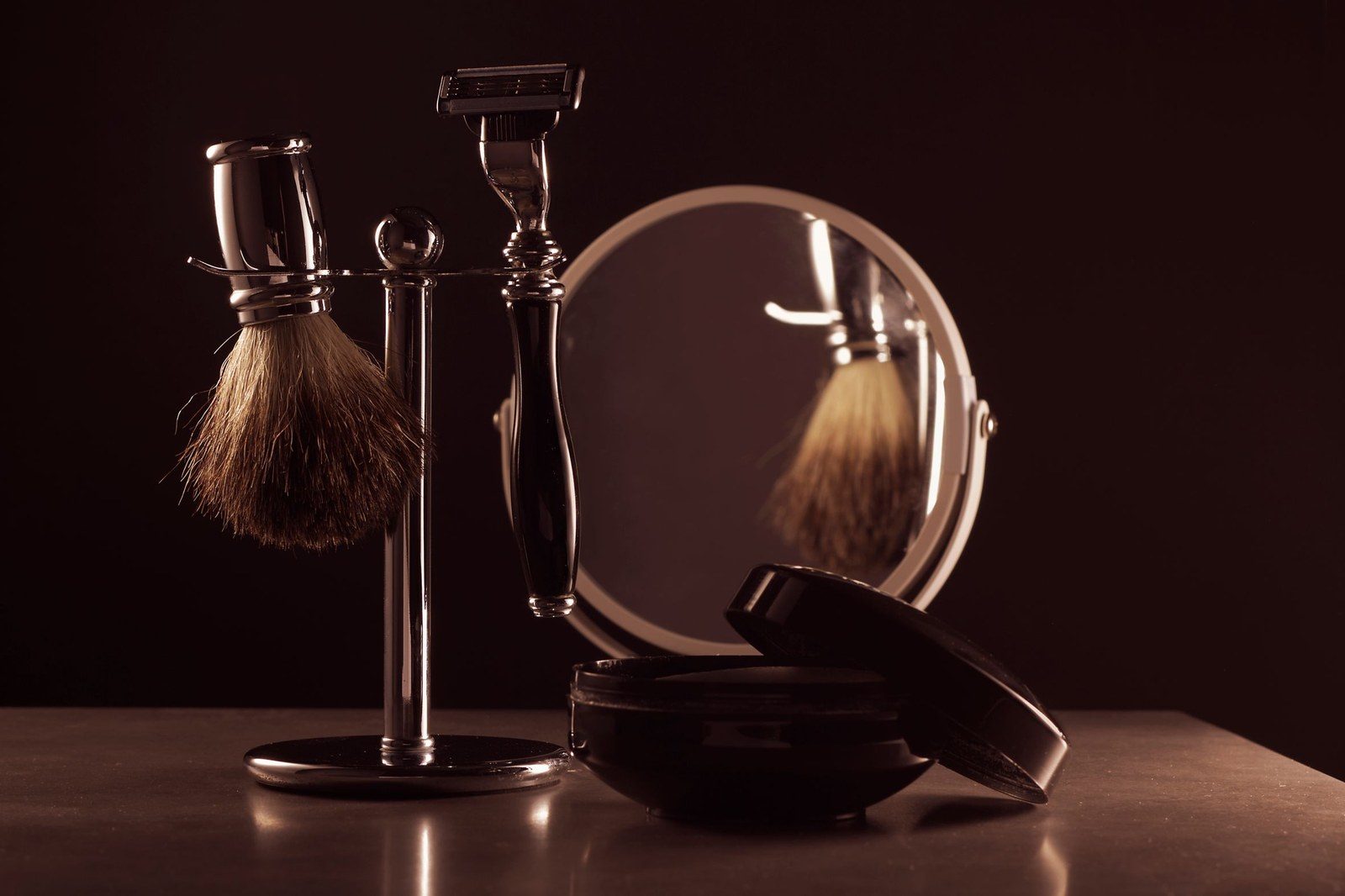
It is the middle of November, which means two things in men’s grooming: thousands of upper lips across America are halfway through their Movember mustache, and many of them have reached the stage where the hair is long enough to notice but not yet long enough to look deliberate. This Movember mustache guide is for that exact moment. GQ calls 2026 a “facial hair renaissance”, and barbers say the mustache has become the thinking man’s choice again. But a great mustache never happens on autopilot. It needs patience in the first weeks, a style that suits your face and haircut, a confident trim, and the right finishing products.
Below you will find how to grow a mustache week by week, how to choose between a chevron, a natural, a pencil or a handlebar mustache, how barbers trim a mustache at home, how to use mustache wax without the greasy look, how to keep the skin underneath calm, and why the mustache is only the symbol of a bigger men’s health message.
Key takeaways
- Give it four weeks. Barbers agree that most mustaches only start to look intentional in week three or four. Trimming too early resets the clock.
- Let your growth choose the style. The chevron or natural mustache is the safest choice for first-timers and patchy growth; a handlebar usually needs six to eight weeks or more.
- Match the mustache to your haircut and face shape. Chevron with short, clean cuts; handlebar with longer, textured hair; natural with almost anything.
- Trim dry, from the outside in. Wash, dry, comb down, then remove only what falls over the lip, and clean up the line under the nose.
- Use wax sparingly. A rice-grain amount, warmed between the fingers, worked from the center outward on a dry mustache. Wash it out at night.
- Remember why it’s there. Movember raises awareness of prostate cancer, testicular cancer and men’s mental health. Ask your doctor about screening.
How to Grow a Mustache Week by Week: Surviving the Awkward Stage
The biggest reason men give up on a mustache is not genetics. It is week two. Toronto’s Rendezvous Barbers describe the month in four stages. In week one it simply looks like you forgot to shave: some shadow, a few patchy spots, nothing that reads as a style yet. Week two is the worst. The hair is visible but too short to shape, gaps appear, one side may grow faster than the other, and the temptation to trim it back is strong. The barbers’ advice is blunt: don’t, because cutting now only resets the clock.
By week three a shape starts to appear. Density fills in and the direction of growth becomes clear, so you can finally see what style your hair wants to be. Week four is where it comes together, with enough length to style and to benefit from a proper shape-up. The same team notes that some men grow faster and some will never fill in completely, which is genetics and nothing to worry about.
How to make the awkward weeks easier:
- Start from a clean slate. A full shave on November 1 shows your real growth pattern. A professional hot towel shave leaves the skin calmer than a rushed job at the sink.
- Keep everything else sharp. Cheeks and neck clean, hair freshly cut. A tidy frame makes a young mustache look deliberate rather than accidental.
- Comb it every day. Daily combing trains the direction of growth, even when the hair is still short.
- Moisturize the skin underneath. New growth can itch, and dry winter air makes it worse. A light oil or moisturizer helps.
Original article: Rendezvous Barbers
Mustache Styles 2026: Which Mustache Suits Your Face and Haircut?
A mustache does not exist in isolation. According to Charlie Docherty, barber at Ruffians Edinburgh, quoted by GQ, your mustache, haircut and face shape all have to work together: “Your mustache should complement, not compete.”
The chevron mustache
The chevron is full, slightly broad and follows the upper lip. Docherty calls it “a full and unapologetic classic” that works best with shorter, cleaner haircuts such as a sharp fade or a traditional crew cut. The contrast keeps it modern rather than retro. On face shape, he says the chevron helps balance oval or longer faces.
The handlebar mustache
The showpiece. It pairs well with slightly longer hairstyles that have texture or length on top, and it tends to suit men with narrower faces, because the shape widens the upper lip line. It needs real length and wax to hold the curl.
The natural mustache
Somewhere between the two sits the natural: a softer, less sculpted style that follows the lip without dramatic shaping. Docherty calls it the most versatile option, working with everything from medium-length cuts to looser, longer styles, and particularly effective on square or angular faces because it subtly softens a strong jawline.
The pencil mustache
Thin and precise, sitting right along the lip line. It shows every irregularity and needs clean edges and very regular upkeep, so it suits men with light but even growth who enjoy a detailed grooming ritual.
If your growth is patchy
Rendezvous Barbers recommend the chevron, kept a little shorter: dense, short hair looks sharper than long and sparse. Horseshoe and Fu Manchu styles need good coverage at the corners of the mouth, so they are best left to men who already know their growth is even there.
Original article: GQ
How to Trim a Mustache Like a Barber
GQ’s step-by-step guide breaks a home mustache trim into a calm, repeatable routine. The golden rule is to work on a clean, dry mustache and go slowly.
- Decide on the goal. Are you maintaining, growing fuller, growing longer or shaping toward a style? That decides how much you take off.
- Cleanse and comb. Wash your face with a normal facial cleanser, towel dry, and comb the mustache flat with a fine-tooth comb so the hairs lie straight and untangled. Give it a few minutes to dry fully; dry hair is essential for an accurate trim.
- Take out bulk. Use a beard trimmer with a guard and remember your ideal guard length. No trimmer? Lift the hair with a comb and snip to a uniform length.
- Take out length. Comb all the hair down and remove what falls over the lip. Work from the outside toward the center, then from the other side, for symmetry.
- Clean the perimeter. Use a detailing head or the bare T-blade of a trimmer to define the edges, including directly under the nose. This line cleanup may be needed a few times a week.
- Leave the ends longer for a handlebar. If you want any curl, let the outermost hairs grow longer than the center.
- Take it slow. One slip of the hand can mean starting again from a bare face.
Rendezvous Barbers add two useful details: keep the hair off your lip, which matters for looks as well as eating and drinking, and use small scissors and take less than you think. A second pass is always possible; putting hair back is not.
Original article: GQ
How to Use Mustache Wax Without the Greasy Look
Mustache wax is what turns a well-grown mustache into a styled one. It trains stray hairs, holds the shape through the day and makes handlebar tips possible. But too much wax is the most common mistake. Stylish Barber Shop, a Canadian barbershop, lays out the method barbers use:
- Start clean and completely dry. Wash with a gentle beard shampoo and pat dry. Wax on a damp mustache clumps and will not hold.
- Warm the wax. Scrape out a small amount with the back of your nail and rub it between your fingers until soft. Cold wax tugs at the hair and goes on unevenly.
- Apply from the middle outward. Work it in with thumb and forefinger as close to the root as possible, then smooth toward the tips.
- Shape. For a natural look, brush and pat into place. For a curl, pinch and roll the tips in the direction you want.
- Let it set. Give it a few minutes and stop touching it; body heat softens the wax and ruins the hold.
Barber tips from the same guide: use a fine-tooth comb to spread the wax and remove clumps, start small because you can always add more, and wash the wax out before bed with warm water and a gentle cleanser. A tin of mustache wax is tiny (often around 15 ml) because a rice-grain amount per day is enough.
Which hold? A light or medium hold suits a natural or chevron mustache that only needs taming. A firm or “expedition” hold is for handlebars, humid days and long evenings.
Original article: Stylish Barber Shop
Skin Care Under the Mustache: Itch, Flakes and Ingrown Hairs
The skin under a new mustache is easy to forget, yet it often decides whether men keep going past week two. The American Academy of Dermatology (AAD) gives simple advice for healthy facial hair: wash your beard or mustache regularly with a gentle cleanser and moisturize right afterwards, which helps against dryness and the itch of new growth.
If you are prone to ingrown hairs while the hair is still stubble length, the AAD suggests a gentle exfoliating scrub about once or twice a week, followed by moisturizer. For the shaved areas around the mustache (cheeks, chin, neck) the AAD’s razor bump prevention tips apply:
- Shave after a warm shower, when hair is softer.
- Use a fragrance-free shaving cream or gel.
- Shave in the direction of hair growth, without stretching the skin or pressing the razor down.
- Rinse the blade after every stroke and replace blades regularly; the AAD suggests every five to seven shaves.
Winter adds its own problems: dry indoor heat and cold wind can make the skin under facial hair flaky. Light beard oil, used daily, keeps both hair and skin soft, and a soft mustache is easier to style with less wax.
Original article: American Academy of Dermatology
Beyond the Mustache: The Men’s Health Message of Movember
The mustache is a symbol. As Rendezvous Barbers put it, Movember raises awareness of men’s health, including mental health, suicide prevention, and prostate and testicular cancer, and the mustache is how men show they are in. A great mustache is a perfect conversation starter for the conversation that actually matters.
What the American Cancer Society says (summary only, not medical advice):
- Prostate cancer. The ACS updated its guideline for prostate cancer early detection. According to its summary, men at average risk should talk with their doctor about PSA screening, with testing every two years from ages 50 through 69; Black men are advised to start at 45 with annual testing through 69. Men at higher risk because of family history should ask about starting earlier.
- Testicular cancer. The ACS has no formal recommendation for routine testicular self-exams, but notes that some doctors advise men to check themselves monthly after puberty. Most testicular cancers are first found as a lump or swelling, and any lump, swelling, pain, or change in size or texture should be seen by a doctor promptly.
Mental health is the third pillar. If the mustache gets friends talking, use it: ask how they really are, and take your own stress, sleep and mood as seriously as your grooming.
This section summarizes the American Cancer Society’s published guidance and is not medical advice. Talk to your doctor about which checks are right for you.
Original article: American Cancer Society
The Gentleman’s Mustache Routine: Daily, Weekly, Monthly
To pull everything together, here is a simple premium routine based on the sources above.
Daily (two minutes):
- Wash the mustache with your face using a gentle cleanser; pat dry.
- A drop of beard oil worked into hair and skin.
- Comb flat with a fine-tooth comb.
- If styling: a rice-grain amount of warm wax, center outward, then shape.
- At night: wash the wax out.
Twice a week:
- Dry trim of anything that falls over the lip, working from the outside in.
- Clean up the line under the nose and the cheek and neck lines.
- If ingrown hairs bother you, a gentle exfoliating scrub on the surrounding skin.
Every three to four weeks:
- A barber shape-up. A professional gets the symmetry right and can suggest a style evolution: a fuller chevron in winter, longer handlebar tips, or a neat half-beard around the mustache.
Product Picks: Premium Mustache Grooming Essentials
Captain Fawcett Expedition Strength Moustache Wax - Hand-made in Great Britain with beeswax, carnauba and Australian sandalwood oil, in a 15 ml tin. A firm hold for handlebar tips and humid days, with the brand’s classic sandalwood scent. Listed at $22.50 on the US site.
Baxter of California Beard Comb - Handcrafted in Switzerland from cellulose acetate in a 12-step manual process, with tapered, rounded teeth designed for facial hair. Ideal for combing a mustache flat before trimming and for spreading wax evenly. Listed at $26.00.
FAQ: Movember Mustache Questions
How long does it take to grow a mustache?
Most men need about four weeks before a mustache looks intentional. Week two is the awkward stage; by weeks three and four density fills in and the mustache can be shaped. A handlebar usually needs six to eight weeks or more.
Should I trim my mustache while it is growing?
Not in the first two to three weeks, except to keep cheeks and neck tidy. Barbers advise against trimming the mustache itself early, because it resets your progress. From about week four, trim only what falls over the lip.
Which mustache style suits my face shape?
According to barber Charlie Docherty in GQ, a chevron balances oval or longer faces, a handlebar suits narrower faces because it widens the upper lip line, and a natural mustache softens square or angular jaws.
What is the best mustache style for patchy growth?
A chevron or natural mustache kept slightly shorter. Dense, short hair looks sharper than long, sparse hair, and these styles hide uneven growth best.
How do you use mustache wax?
Apply a rice-grain amount to a clean, completely dry mustache. Warm it between your fingers, work it in from the center outward, comb through, then shape the tips. Let it set and wash it out before bed.
Is Movember only about mustaches?
No. The mustache is the symbol. Movember raises awareness of prostate cancer, testicular cancer and men’s mental health, and encourages men to talk openly and speak with a doctor about regular checks.